

Introduction
Understanding mental illness in women requires more than clinical definitions—it demands a nuanced appreciation of how biology, society, and personal experience intersect to shape women’s mental health. Mental Illness in Women manifests differently than in men, influenced by hormonal fluctuations, societal pressures, and unique life experiences that range from pregnancy to menopause. It’s a conversation we need to have with both compassion and clarity, because recognizing these conditions early can transform lives.

Common Signs of Mental Illness in Women
Before diving into specific conditions, it’s essential to recognize the universal indicators that something might be amiss. Women experiencing mental health challenges often display subtle signs that can easily be dismissed as stress or fatigue. However, persistent changes in mood, sleep patterns, or energy levels deserve attention. According to the National Institute of Mental Health, women are more likely than men to experience certain mental health conditions [6].
Additionally, changes in appetite, difficulty concentrating, and withdrawal from social activities can signal underlying issues. These symptoms shouldn’t be ignored or attributed solely to life’s demands. Physical manifestations like unexplained aches, digestive problems, or chronic fatigue often accompany mental health struggles in women. Moreover, heightened irritability or emotional sensitivity that seems disproportionate to circumstances can indicate deeper concerns requiring professional evaluation.

Depression in Women
Mental Illness in Women frequently presents as depression, which affects women at nearly twice the rate of men. The reasons extend beyond biology into the realm of societal expectations and gender-specific pressures. Women face unique challenges—balancing career demands with family responsibilities, navigating reproductive health changes, and confronting persistent wage gaps and discrimination. These stressors compound biological vulnerabilities, creating a perfect storm for depressive episodes.
Furthermore, hormonal shifts during menstruation, pregnancy, postpartum periods, and menopause significantly influence mood regulation. The FDA recognizes these connections, noting that hormonal fluctuations can trigger or exacerbate depression in susceptible women [4]. Consequently, treatment approaches must consider these biological realities alongside psychological and social factors.
Signs of Depression in Women
Recognizing depression involves understanding its multifaceted presentation. Women with depression often experience persistent sadness that colors every aspect of their lives. They may lose interest in activities once enjoyed, struggle with feelings of worthlessness, or harbor thoughts of death or suicide. Sleep disturbances manifest as either insomnia or excessive sleeping.
In addition, many women report physical symptoms that doctors sometimes overlook as purely psychological. Weight changes, chronic pain, and gastrointestinal issues frequently accompany depression. Importantly, women’s depression sometimes masks itself as anger, irritability, or perfectionism—presentations that don’t fit the stereotypical image of depression.

Anxiety in Women
Anxiety represents another prevalent form of Mental Illness in Women, characterized by excessive worry that interferes with daily functioning. Women are significantly more likely to develop anxiety disorders than men, with biological, psychological, and social factors all playing crucial roles. The Office on Women’s Health identifies anxiety disorders as among the most common mental health conditions affecting women [1].
Moreover, anxiety in women often coexists with depression, creating a complex clinical picture that requires comprehensive treatment. The intersection of these conditions can be particularly debilitating, affecting relationships, career advancement, and overall quality of life.
Symptoms of Anxiety in Women
Mental Illness in Women manifesting as anxiety presents through both psychological and physical channels. Psychologically, women experience persistent, intrusive worries that resist rational reassurance. They may anticipate disasters that rarely materialize, yet the fear remains crippling. Decision-making becomes paralyzed by overthinking.
On the physical side, anxiety triggers rapid heartbeat, sweating, trembling, and shortness of breath. Women might experience chest pain that mimics cardiac issues, leading to emergency room visits. Muscle tension, headaches, and digestive problems round out the physical manifestations that make anxiety such an all-encompassing condition.

Women and Trauma
Trauma’s impact on women’s mental health cannot be overstated. Women face higher rates of certain types of trauma, particularly sexual assault, domestic violence, and childhood abuse. These experiences leave lasting imprints on mental health, often developing into post-traumatic stress disorder (PTSD) or complex trauma responses. Research from the National Institute of Mental Health indicates that trauma affects women’s mental health uniquely [3].
Subsequently, trauma-informed care has become essential in treating Mental Illness in Women. Understanding how past experiences shape current symptoms allows for more effective, compassionate treatment approaches that prioritize safety and empowerment.
Signs of Trauma in Women
Trauma manifests through intrusive memories, flashbacks, and nightmares that thrust women back into traumatic experiences. Avoidance behaviors emerge—women may steer clear of places, people, or situations that trigger traumatic memories. Emotional numbing can make intimacy and connection challenging.
Additionally, hypervigilance keeps women in a constant state of alert, exhausting their nervous systems. Startle responses become exaggerated, and perceived threats trigger disproportionate reactions. Sleep disturbances, concentration difficulties, and mood swings further complicate daily functioning.
Bipolar Disorder
Bipolar disorder affects men and women roughly equally, but Mental Illness in Women includes unique manifestations of this condition. Women with bipolar disorder often experience more depressive episodes than manic ones, a pattern called “bipolar depression predominant.” They’re also more susceptible to rapid cycling between mood states.
Furthermore, women face specific triggers related to reproductive events. Pregnancy, postpartum periods, and menopause can precipitate mood episodes. These hormonal influences require careful monitoring and treatment adjustments throughout different life stages.

Signs of Bipolar Disorder
Bipolar disorder presents through dramatic mood swings between manic highs and depressive lows. During manic episodes, women may exhibit unusually elevated mood, increased energy, and decreased need for sleep. They might engage in impulsive behaviors—excessive spending, risky sexual encounters, or grandiose business ventures.
Conversely, depressive phases mirror major depression’s symptoms—profound sadness, hopelessness, and loss of interest in life. The contrast between these states creates instability in relationships, careers, and self-image, making consistent treatment essential.
Borderline Personality Disorder (BPD)
Mental Illness in Women includes Borderline Personality Disorder at significantly higher rates than men. This condition involves intense, unstable relationships, fluctuating self-image, and impulsive behaviors. Women with BPD often struggle with abandonment fears that influence their interactions.
Similarly, emotional dysregulation makes managing feelings extraordinarily difficult. Small triggers can provoke intense reactions that seem disproportionate to outside observers. Nevertheless, with proper treatment, women with BPD can develop healthier coping mechanisms and build stable relationships.
Signs of Borderline Personality Disorder (BPD)
BPD presents through rapid mood changes that can shift within hours. Women may idealize someone intensely, then suddenly view them as completely negative. This “splitting” creates relationship turbulence. Impulsive actions—substance abuse, reckless driving, binge eating—serve as maladaptive coping strategies.
Additionally, chronic feelings of emptiness plague women with BPD, driving desperate attempts to fill the void. Self-harm behaviors or suicidal gestures reflect intense emotional pain. Identity disturbance leaves women uncertain about who they are, what they value, or what they want from life.
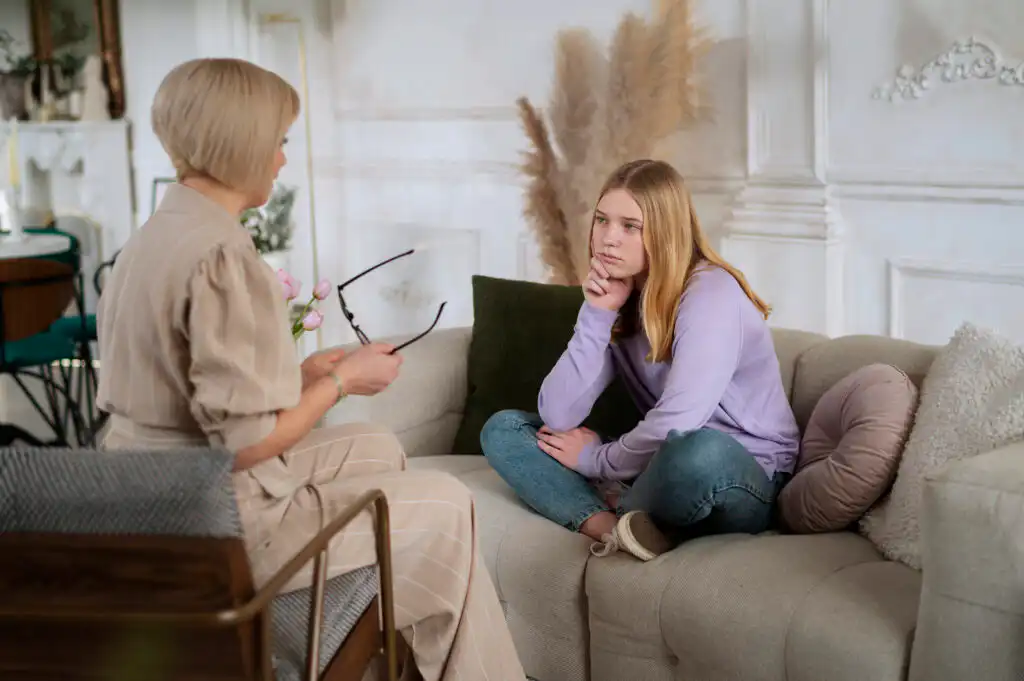
Women’s Mental Health Treatment Options
Addressing Mental Illness in Women requires comprehensive, personalized approaches that consider biological, psychological, and social factors. The Office on Women’s Health emphasizes the importance of gender-specific treatment considerations [2]. Treatment success depends on finding the right combination of therapeutic modalities tailored to individual needs.
Psychotherapy
Talk therapy forms the cornerstone of mental health treatment for many women. Cognitive-behavioral therapy helps identify and change negative thought patterns. Dialectical behavior therapy proves particularly effective for emotional regulation. Trauma-focused therapies address past experiences safely.
Moreover, group therapy provides community and reduces isolation. Women benefit from connecting with others facing similar challenges, normalizing their experiences while learning from peers’ coping strategies.
Medication
Psychotropic medications can effectively manage Mental Illness in Women when prescribed appropriately. Antidepressants, anti-anxiety medications, and mood stabilizers help regulate neurochemical imbalances. However, women’s responses to medications can differ from men’s, requiring careful monitoring and dosage adjustments.
Additionally, hormonal considerations factor into medication management. Birth control, pregnancy, and menopause all influence how women metabolize psychiatric medications, necessitating ongoing collaboration between patients and prescribers.
Lifestyle Modifications
Lifestyle changes significantly impact mental health outcomes. Regular exercise boosts mood-regulating neurotransmitters naturally. Sleep hygiene practices improve rest quality, which directly affects emotional regulation. Nutrition provides the building blocks for neurotransmitter production.
Furthermore, stress management techniques like meditation, yoga, and deep breathing activate the parasympathetic nervous system, counteracting anxiety. Limiting alcohol and avoiding recreational drugs prevents additional mood destabilization.
Support Groups
Connecting with others experiencing Mental Illness in Women reduces stigma and provides practical coping strategies. Support groups offer validation that women aren’t alone in their struggles. Whether in-person or online, these communities create safe spaces for sharing experiences.
Getting Help for Mental Illness in Women with Stone River Behavioral Health
If you’re recognizing yourself in these descriptions, know that seeking help represents strength, not weakness. Mental Illness in Women is treatable, and recovery is absolutely possible. Stone River Behavioral Health specializes in evidence-based, compassionate care specifically designed for women’s mental health needs. According to Healthy People 2030, improving mental health requires accessible, quality treatment options [5].
Our multidisciplinary team understands the unique challenges women face and creates individualized treatment plans addressing your specific circumstances. We incorporate trauma-informed practices, gender-specific programming, and holistic approaches that treat the whole person—not just symptoms. Whether you’re struggling with depression, anxiety, trauma, or complex mental health conditions, we’re here to support your journey.
Don’t wait for things to worsen. Contact us today to learn how we can help you reclaim your life, rebuild your confidence, and rediscover your strength. Mental Illness in Women deserves specialized attention, and you deserve quality care that recognizes your inherent worth.
FAQs – Frequently Asked Questions
Q1: What is the most common mental illness in women? Depression and anxiety disorders represent the most common forms of mental illness in women. Women are approximately twice as likely as men to experience depression, with anxiety disorders also showing higher prevalence rates among women. These conditions often co-occur and are influenced by biological, psychological, and social factors unique to women’s experiences.
Q2: How do hormones affect mental illness in women? Hormones significantly influence women’s mental health throughout their lives. Fluctuations during menstrual cycles, pregnancy, postpartum periods, and menopause can trigger or exacerbate mental health conditions. Estrogen and progesterone affect neurotransmitter systems that regulate mood, explaining why women may be more vulnerable to certain mental illnesses during times of hormonal change.
Q3: Can mental illness in women be cured? While most mental illnesses cannot be “cured” in the traditional sense, they are highly treatable. Many women achieve full remission of symptoms with appropriate treatment, which may include therapy, medication, lifestyle changes, and support systems. Recovery is possible, and many women go on to lead fulfilling lives by learning to manage their conditions effectively.
Q4: When should women seek professional help for mental health concerns? Women should seek professional help when mental health symptoms interfere with daily functioning, relationships, work, or quality of life. If symptoms persist for more than two weeks, worsen over time, or include thoughts of self-harm or suicide, immediate professional evaluation is essential. Early intervention typically leads to better outcomes.
Q5: Are mental health treatment options different for women than men? Yes, effective treatment for women often requires gender-specific considerations. Women may respond differently to certain medications due to hormonal influences, metabolism differences, and body composition. Additionally, therapy approaches should address gender-specific experiences like pregnancy, motherhood pressures, sexual trauma, and societal expectations that disproportionately affect women. Treatment centers specializing in women’s mental health provide these tailored approaches.
Sources
[1] Office on Women’s Health. (n.d.). Mental health conditions. U.S. Department of Health and Human Services. https://womenshealth.gov/mental-health/mental-health-conditions
[2] Office on Women’s Health. (n.d.). Mental health. National Women’s Health Week. U.S. Department of Health and Human Services. https://womenshealth.gov/nwhw/mental-health
[3] National Institute of Mental Health. (n.d.). Women and mental health. U.S. Department of Health and Human Services. https://www.nimh.nih.gov/health/topics/women-and-mental-health
[4] U.S. Food and Drug Administration. (n.d.). Women and depression. https://www.fda.gov/consumers/womens-health-topics/women-and-depression
[5] Office of Disease Prevention and Health Promotion. (n.d.). Mental health and mental disorders. Healthy People 2030. U.S. Department of Health and Human Services. https://odphp.health.gov/healthypeople/objectives-and-data/browse-objectives/mental-health-and-mental-disorders
[6] National Institute of Mental Health. (n.d.). Mental illness. U.S. Department of Health and Human Services. https://www.nimh.nih.gov/health/statistics/mental-illness