

Introduction
Depression doesn’t discriminate, yet it wears different masks depending on who’s beneath it. While society has made strides in destigmatizing mental health, depression in men remains shrouded in silence—a quiet epidemic hidden behind stoic facades and cultural expectations. Men experiencing depression often navigate a complex maze of symptoms that look nothing like the textbook descriptions, making recognition and treatment more challenging than it needs to be. Understanding depression in men isn’t just about identifying sadness; rather, it’s about recognizing how this condition uniquely manifests in male psychology and physiology.
What is Depression in Men?
Depression in men is a serious mental health condition that affects mood, thinking, and behavior in ways that often differ from how it presents in women. Unlike the pervasive sadness many associate with depression, men frequently experience it through anger, irritability, and physical symptoms. This distinction matters because it directly impacts how depression is recognized and treated.
The clinical term encompasses major depressive disorder, persistent depressive disorder, and situational depression—all of which can profoundly affect a man’s quality of life. Furthermore, depression in men often coexists with other conditions like anxiety disorders or substance use issues, creating a layered challenge that requires comprehensive treatment approaches. Research shows that men are less likely to recognize depressive symptoms in themselves, often attributing feelings to stress or fatigue rather than acknowledging a treatable mental health condition.

How Common is Depression in Men?
The statistics surrounding depression in men tell a sobering story. Approximately 6 million American men experience depression annually, yet these numbers likely underrepresent the true scope of the problem. Men are significantly less likely than women to seek mental health treatment, and consequently, they’re more likely to die by suicide—a devastating reality that makes understanding male depression crucial.
Additionally, certain demographics face heightened risk. Veterans, for instance, experience depression at rates considerably higher than the general population. Similarly, men who have experienced trauma, chronic stress, or significant life transitions show elevated vulnerability to depressive episodes.
What Causes Depression in Men?
The origins of depression in men are multifaceted, involving biological, psychological, and environmental factors. Neurochemically, imbalances in brain chemicals like serotonin, dopamine, and norepinephrine play significant roles. However, the story doesn’t end there.
Hormonal fluctuations, particularly decreasing testosterone levels, can contribute to mood disturbances. Moreover, genetics loads the gun—family history of depression increases susceptibility substantially [2]. Life circumstances pull the trigger: job loss, relationship problems, financial stress, and chronic health conditions all serve as potential catalysts.
Cultural conditioning complicates matters further. From childhood, many men receive messages that emotional expression equals weakness. Therefore, they internalize distress rather than seeking support. This socialization creates a perfect storm where depression festers unaddressed, intensifying over time.
Signs and Symptoms of Depression in Men
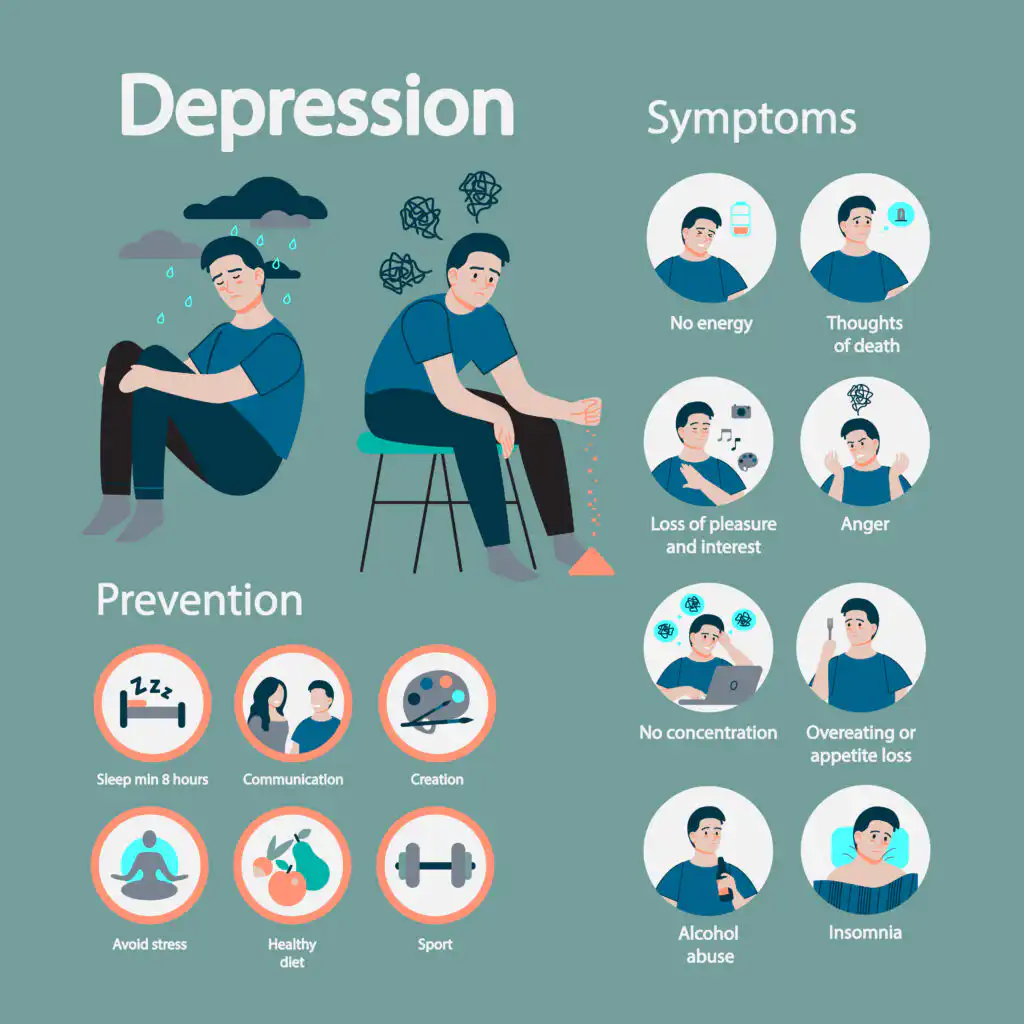
Recognizing depression in men requires looking beyond conventional depressive symptoms. While some men experience classic signs—persistent sadness, loss of interest in activities, and hopelessness—many exhibit less obvious indicators.
Physical manifestations often take center stage: chronic pain, digestive issues, headaches, and unexplained aches. Sleep disturbances present as either insomnia or excessive sleeping. Changes in appetite and significant weight fluctuations occur frequently.
Behaviorally, men with depression may display increased irritability, anger outbursts, or aggressive tendencies. Some become withdrawn, isolating themselves from friends and family. Others throw themselves into work obsessively, using busyness as armor against uncomfortable feelings [3].
Cognitive symptoms include difficulty concentrating, indecisiveness, and negative thought patterns. Memory problems and reduced problem-solving abilities can affect professional performance. Risk-taking behaviors—reckless driving, gambling, or dangerous activities—may increase as men attempt to feel something, anything, beyond numbness.
How to Know If You Have Male Depression
Self-assessment starts with honest reflection. Ask yourself: Have I lost interest in activities that once brought joy? Am I experiencing persistent fatigue despite adequate rest? Has my temper shortened noticeably? Do I feel emotionally numb or disconnected from others?
Physical symptoms matter equally. Unexplained aches, digestive issues, or changes in sleep patterns warrant attention. Additionally, increased alcohol consumption or substance use often signals underlying depression—a maladaptive coping mechanism that temporarily masks symptoms while worsening the underlying condition.
Professional screening tools exist specifically designed to identify depression in men. These assessments consider the unique ways depression manifests in male populations. However, the most important step involves acknowledging that something feels wrong and taking action to address it.
Triggers for Depression in Men
Specific life events commonly precipitate depressive episodes in men. Career setbacks or unemployment strike particularly hard, as many men closely tie their identity to professional success. Relationship dissolution—divorce or breakups—creates profound emotional upheaval that can trigger depression.
Health diagnoses, especially those affecting physical capabilities or independence, frequently spark depressive episodes. Chronic pain conditions create a wearing cycle where physical discomfort and mental distress amplify each other. Financial stress generates persistent anxiety that can evolve into clinical depression.
Traumatic experiences, whether recent or from distant past, can resurface and trigger depression in men. Combat exposure, childhood abuse, or witnessing violence leaves psychological imprints that manifest as depression later in life [4]. Notably, the relationship between alcohol and depression in men creates bidirectional risk—each condition potentially triggering or worsening the other.
When Should I Seek Help?
Timing matters critically in treating depression in men. Ideally, intervention occurs early, before symptoms severely impact daily functioning. However, certain red flags demand immediate professional attention.
Thoughts of self-harm or suicide require urgent care. If you’re contemplating ending your life, contact emergency services or call the National Suicide Prevention Lifeline immediately. These thoughts don’t define weakness; rather, they signal that your brain needs medical support.
Persistent symptoms lasting more than two weeks warrant professional evaluation. If depression interferes with work performance, damages relationships, or diminishes your ability to care for yourself, it’s time to seek help. Likewise, turning to alcohol or drugs to cope indicates that professional intervention would prove beneficial.
How Can I Help a Man with Depression?
Supporting someone experiencing depression in men requires patience, understanding, and strategic approach. Begin by creating safe space for conversation—choose a private setting and express concern without judgment. Use “I” statements: “I’ve noticed you seem different lately, and I’m worried about you.”
Avoid minimizing their experience or offering simplistic solutions. Phrases like “just think positive” or “man up” cause harm rather than help. Instead, listen actively and validate their feelings. Offer concrete support: accompany them to appointments, help research treatment options, or assist with daily tasks they’re struggling to manage.
Encourage professional help while respecting their autonomy. Research shows that men respond better when they understand depression as a medical condition requiring treatment, similar to diabetes or heart disease. Emphasize that seeking help demonstrates strength, not weakness.

How is Depression in Men Treated?
Effective treatment for depression in men typically involves multiple approaches working synergistically. Psychotherapy forms the foundation, with cognitive-behavioral therapy (CBT) showing particularly strong outcomes. CBT helps men identify and modify negative thought patterns while developing healthier coping mechanisms.
Medication, specifically antidepressants, can correct neurochemical imbalances contributing to depression. Selective serotonin reuptake inhibitors (SSRIs) and serotonin-norepinephrine reuptake inhibitors (SNRIs) are commonly prescribed. Finding the right medication often requires trial and adjustment under physician guidance.
Lifestyle modifications significantly impact treatment success. Regular exercise releases endorphins and reduces stress hormones. Sleep hygiene improvements—maintaining consistent schedules and creating restful environments—support mood stability. Nutritional changes, particularly reducing processed foods and increasing omega-3 fatty acids, benefit brain health.
Support groups provide community and reduce isolation. Connecting with others facing similar challenges normalizes experiences and offers practical coping strategies. Some men find that group settings feel less intimidating than individual therapy initially.
Frequently Asked Questions
What are the main signs of depression in men? Male depression often manifests as irritability, anger, physical pain, sleep disturbances, and withdrawal from activities. Unlike traditional depressive symptoms, men may not appear sad but rather frustrated or aggressive.
Can depression in men cause physical symptoms? Absolutely. Men frequently experience depression through physical manifestations including chronic pain, digestive issues, headaches, and cardiovascular symptoms. These symptoms are real, not imagined, and require medical attention.
How does alcohol affect depression in men? Alcohol worsens depression by disrupting brain chemistry and sleep patterns. While it may provide temporary relief, it ultimately deepens depressive symptoms and can lead to dependency.
Is male depression genetic? Genetics play a significant role—having a family history of depression increases risk substantially. However, environmental factors and life experiences also contribute significantly to developing depression.
How long does treatment for depression in men take? Treatment duration varies individually. Some men experience improvement within weeks, while others require months or longer. Consistency with treatment and open communication with healthcare providers optimize outcomes.
Getting Help for Male Depression at Stone River Behavioral Health
Recognizing that you need support for depression in men represents courage, not weakness. At Stone River Behavioral, we understand the unique challenges men face when navigating mental health conditions. Our comprehensive treatment programs address not just the symptoms of depression, but the underlying factors contributing to your struggle.
We offer evidence-based therapies tailored specifically to how depression manifests in men. Our clinical team recognizes that traditional approaches don’t always resonate with male clients, so we’ve developed programs that acknowledge masculine identity while promoting genuine healing. Whether you’re experiencing irritability, physical symptoms, or emotional numbness, we provide the tools and support necessary for recovery.
Treatment at our facility incorporates individual therapy, group sessions, medication management when appropriate, and holistic wellness approaches. We create a judgment-free environment where vulnerability transforms from perceived weakness into recognized strength. Recovery from depression in men is absolutely possible with proper support and treatment.
Don’t let another day pass feeling disconnected from yourself and those you care about. Contact us today to learn how we can help you reclaim your mental health and rediscover the life you deserve. Our admissions team is available 24/7 to answer your questions and begin your journey toward healing.
Sources
[2] Ogrodniczuk, J. S., & Oliffe, J. L. (2011). Men and depression. Canadian Family Physician, 57(2), 153-155. – https://pmc.ncbi.nlm.nih.gov/articles/PMC10102695/
[3] Oliffe, J. L., & Phillips, M. J. (2008). Men, depression and masculinities: A review and recommendations. Journal of Men’s Health, 5(3), 194-202. – https://pubmed.ncbi.nlm.nih.gov/23986338/
[4] Addis, M. E. (2008). Gender and depression in men. Clinical Psychology: Science and Practice, 15(3), 153-168. – https://pmc.ncbi.nlm.nih.gov/articles/PMC3038800/