Introduction
In an era where virtual connections dominate our daily lives, there’s something profoundly transformative about showing up—physically, emotionally, wholly—to a space designed for healing. In-person therapy offers more than just treatment; moreover, it creates a sanctuary where meaningful change begins. At Stone River Behavioral in Tinton Falls, New Jersey, we understand that real healing requires real presence, and consequently, we’ve built our entire approach around the power of face-to-face connection. Whether you’re navigating depression, anxiety, trauma, or life’s overwhelming challenges, in-person therapy sessions provide the depth and nuance that digital screens simply cannot replicate.
What Is In-Person Therapy?
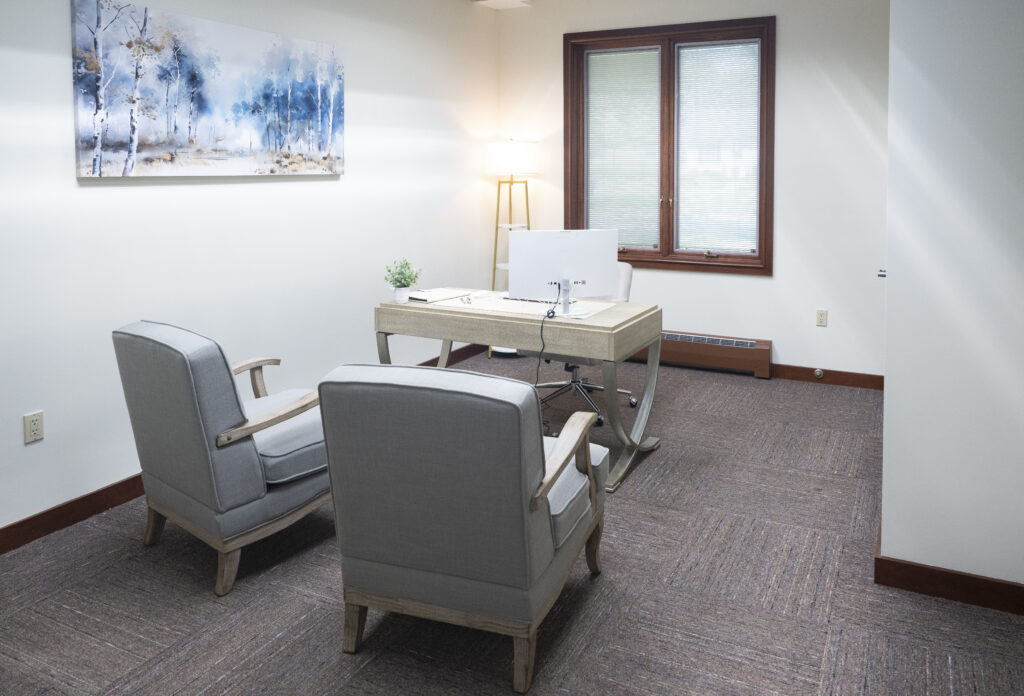
In-person therapy represents the traditional, time-tested approach to mental health treatment where you meet your therapist face-to-face in a professional setting. Unlike virtual sessions conducted through screens, this therapeutic model centers on physical presence in a dedicated space. According to the National Institute of Mental Health, psychotherapies work best when there’s a strong therapeutic alliance—something that naturally flourishes in person [1].
Think of it as the difference between watching a concert on television versus standing in the crowd, feeling the bass reverberate through your chest. Both offer the music, certainly, but only one delivers the full experience. Similarly, attending therapy in our Tinton Falls location means accessing the complete spectrum of therapeutic communication: tone, body language, energy, and that indefinable human connection that technology struggles to capture.

Why Is In-Person Therapy Better Than Online?
The question “is in person therapy better than online” doesn’t have a one-size-fits-all answer, yet research consistently highlights distinct advantages of face-to-face counselling. While teletherapy serves important accessibility needs, in-person sessions offer unique benefits that can accelerate healing and deepen therapeutic work.
Intensive Support
When crisis strikes, you need more than a webcam connection. In-person therapy provides immediate, intensive support that virtual platforms cannot match. Furthermore, our clinicians can assess subtle signs of distress—trembling hands, shallow breathing, averted gaze—that might go unnoticed through a screen. The Substance Abuse and Mental Health Services Administration emphasizes that comprehensive mental health care often requires this level of detailed observation [2].
At Stone River Behavioral, our team remains available 24/7 because we recognize that mental health crises don’t keep business hours. Additionally, being physically present in our facility means instant access to our full continuum of care, from individual counseling to crisis intervention services.
Nonverbal Communication
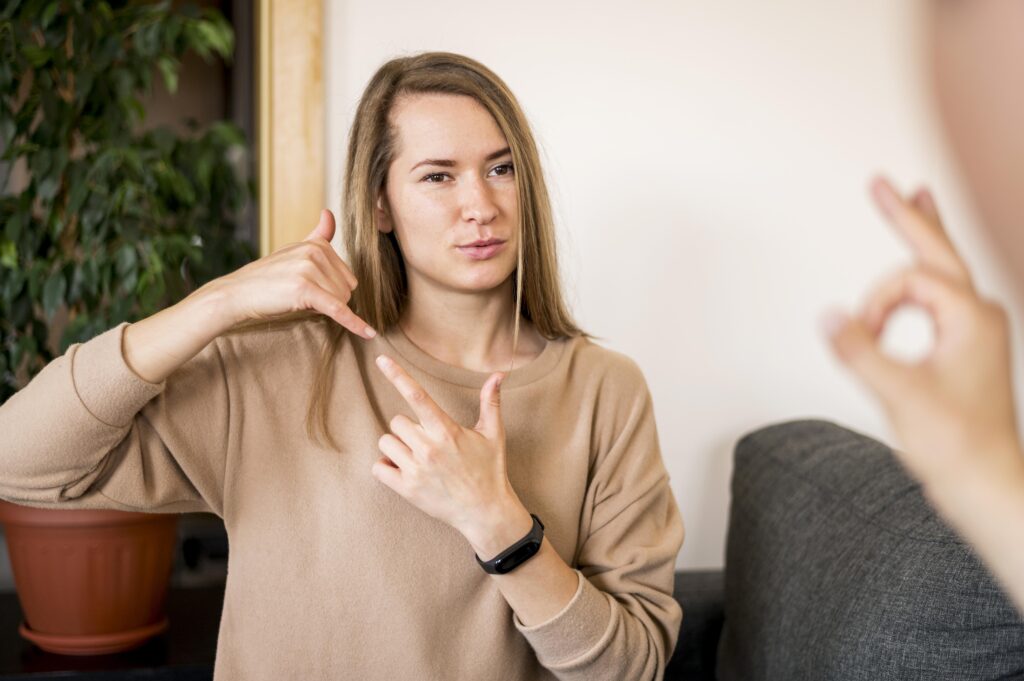
Here’s something fascinating: researchers estimate that 70-93% of communication is nonverbal. Consequently, relying solely on virtual therapy means potentially missing the majority of what’s being communicated. Body language, posture, fidgeting, and even how someone enters a room provide crucial diagnostic information.
Individual therapy benefits exponentially when therapists can observe these subtle cues. Does your client lean forward when discussing certain topics? Do they unconsciously cross their arms when feeling defensive? These micro-expressions and physical tells inform treatment approaches in ways that flat, two-dimensional video feeds cannot capture. The National Institute of Mental Health notes that effective psychotherapy relies heavily on these therapeutic observations [3].
A Neutral Location
Your home should be your sanctuary, not your therapy office. One significant advantage of in person therapy near me is the psychological benefit of a neutral, dedicated healing space. When you physically leave your environment and enter our Tinton Falls facility, you’re creating a mental boundary between daily life and therapeutic work.
This separation matters profoundly. At home, distractions multiply—laundry needs folding, children require attention, work emails beckon. However, when you attend therapy at Stone River Behavioral, you’re committing to uninterrupted focus on your healing journey. The VA’s mental health resources emphasize the importance of consistent, distraction-free therapeutic environments for veterans and civilians alike [4].
The Benefits of Going to Therapy: What Research Reveals
Is virtual therapy as effective as in person? Studies show mixed results. While teletherapy offers convenience, traditional face to face therapy demonstrates higher retention rates and stronger therapeutic alliances. Here’s why attending counseling in person delivers measurable advantages:
Connection Depth: Physical presence fosters trust faster than virtual interactions. Moreover, being in the same room creates an intimacy that screens dilute.
Crisis Response: Immediate intervention becomes possible when someone is physically present. Therapists can quickly assess safety risks and implement appropriate protocols.
Environmental Control: Professional settings minimize distractions and maintain confidentiality. Consequently, clients feel safer sharing vulnerable information.
Accountability: The act of physically traveling to appointments creates commitment. Interestingly, no-show rates drop significantly for in-person sessions compared to virtual alternatives.
Benefits of Seeing a Therapist: Beyond the Sessions
The benefits of individual therapy extend far beyond the hour spent in our Tinton Falls office. Someone in therapy learns coping mechanisms, processes trauma, develops emotional intelligence, and builds resilience—skills that permeate every aspect of life. According to SAMHSA’s mental health resources, consistent therapeutic engagement produces lasting neurological changes that support long-term wellness [5].
When you attend therapy regularly, you’re not just managing symptoms; rather, you’re fundamentally rewiring how your brain processes stress, relationships, and self-perception. These benefits of seeing a therapist compound over time, creating exponential growth in mental health and overall quality of life.
Frequently Asked Questions
How much is in person therapy, and does insurance cover it? Most insurance plans cover in-person therapy sessions, though coverage varies by provider. At Stone River Behavioral, we accept most major insurance plans and offer transparent pricing. Additionally, our admissions team verifies benefits before your first appointment to eliminate financial surprises.
What makes face to face counselling more effective than online options? Face to face therapy allows therapists to observe complete behavioral patterns, respond immediately to emotional shifts, and create deeper therapeutic relationships. Furthermore, the physical commitment of attending in-person sessions often translates to greater investment in treatment outcomes.
Can I switch between in-person therapy and virtual sessions? Absolutely. While we believe in-person therapy sessions offer optimal results, we recognize that flexibility matters. Consequently, we provide hybrid options for clients who occasionally need virtual appointments while maintaining their primary in-person treatment.
Who would best benefit from counseling at your Tinton Falls location? Anyone struggling with mental health challenges—depression, anxiety, PTSD, substance use disorders, or life transitions—benefits from our comprehensive approach. However, individuals requiring intensive support or those who haven’t responded well to teletherapy often experience breakthrough progress with our in-person therapy model.
What should I expect during my first in person therapy session? Your initial appointment focuses on building rapport and understanding your needs. Your therapist will discuss your history, current challenges, and treatment goals. Moreover, we’ll collaborate on creating a personalized treatment plan that addresses your unique situation.
Get the Help You Need
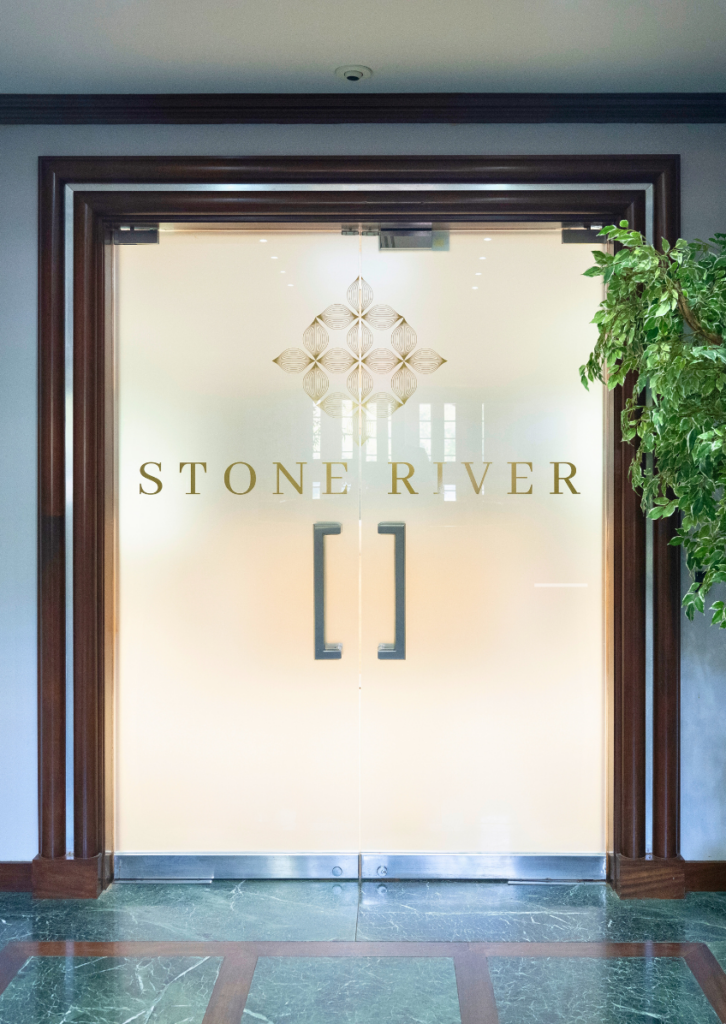
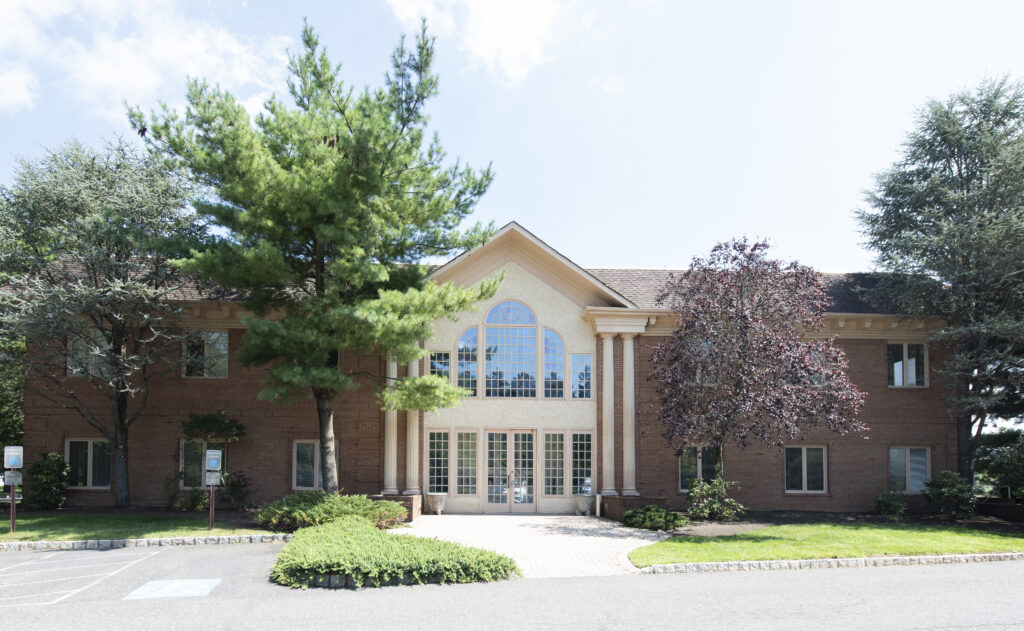
The journey toward mental wellness begins with a single step—and that step is easier than you might think. At Stone River Behavioral, we’ve removed barriers to accessing quality mental health care. Our Tinton Falls facility provides a welcoming, judgment-free environment where healing happens naturally.
Whether you’re searching for “in person therapy near me” or specifically seeking New Jersey’s most comprehensive mental health treatment, you’ve found your answer. Our evidence-based approaches, combined with compassionate care, create the foundation for lasting recovery. The National Institute of Mental Health’s Find Help resources can guide you toward appropriate treatment, and we’re here 24/7 to answer questions and schedule your first appointment [6].
Don’t let another day pass wondering if things could be different. Contact us today to find lasting recovery and the help you deserve.
[1] National Institute of Mental Health. Psychotherapies. https://www.nimh.nih.gov/health/topics/psychotherapies
[2] Substance Abuse and Mental Health Services Administration. Mental Health. https://www.samhsa.gov/mental-health
[3] National Institute of Mental Health. Find Help for Mental Illness. https://www.nimh.nih.gov/health/find-help
[4] U.S. Department of Veterans Affairs. Mental Health. https://www.va.gov/health-care/health-needs-conditions/mental-health
[5] Substance Abuse and Mental Health Services Administration. Mental Health. https://www.samhsa.gov/mental-health
[6] SAMHSA’s National Helpline and FindTreatment.gov. https://findtreatment.gov